
‘Bates Motel’ — A Prequel That Builds To Its Payoff
by Frank Martin

The appeal of prequels is obvious. As franchises grow in popularity, prequels offer a chance to go back to the beginning and show audiences how the characters and stories they love first began. It also gives an opportunity to bring them up to speed and throw in hints and Easter eggs as to how the original became the way it was. However, this doesn’t have to happen right away. Prequels need to deliver on this promise, but depending on the format, it could take its time building suspense and getting all the pieces in place so that when it does finally happen, it pays off in the end. A great example of this is the Psycho prequel show Bates Motel.
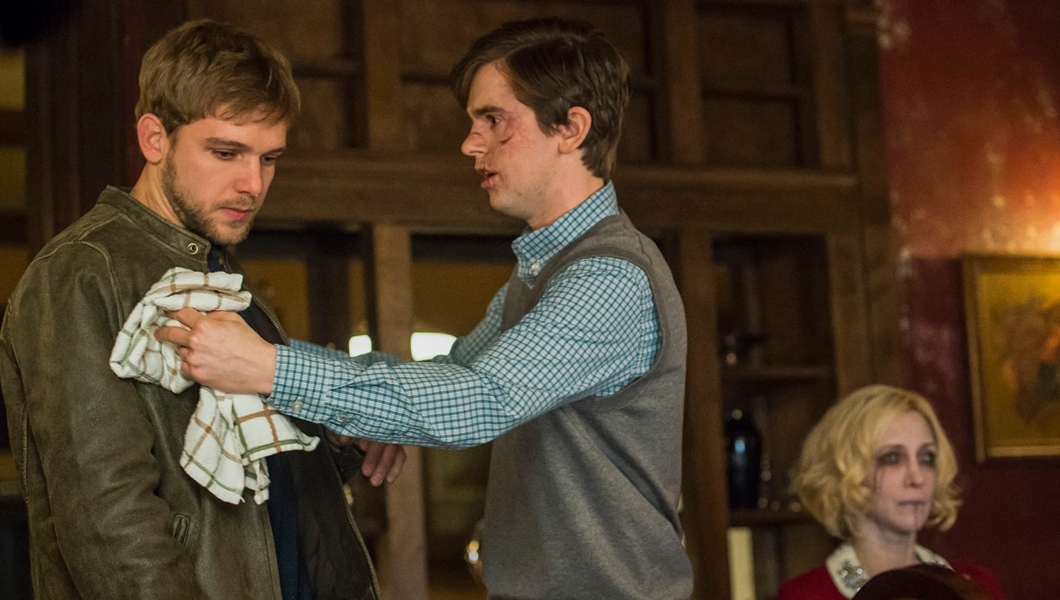
In the Alfred Hitchcock classic, Norman Bates (Anthony Perkins) believes himself to sometimes be his dead mother. But a lot of story pieces were missing — and that’s considering the exposition dump at the end of the film. It’s never explained just how Norman acquired the motel or even how his mother died. Because the story elements were left open, it left a huge opportunity for the prequel show. It started with Norman as a teen, played in the series by Freddie Highmore, and his mother, Norma, played by Vera Farmiga, purchasing the motel to turn their lives around. It even gave him a brother, providing a twist that fans may not have been expecting.
It could have been possible for the show to kill off Norma or even feature Norman dressing up as her in the very first season . But it didn’t do that. Over the course of its many seasons, it built up Norman’s psychosis gradually. A real relationship was formed between Norman and his mother, which greatly impacted her inevitable death seasons later. The fact that the show took its time and had steady, slow pacing made the payoff stronger. Withholding the payoff and the fan service is a good model for other prequels to follow.

