
A Light In Dark Place: Discussing Veterans’ Issues And The Importance Of Black Representation With Basi Affia
by Tom Smithyman
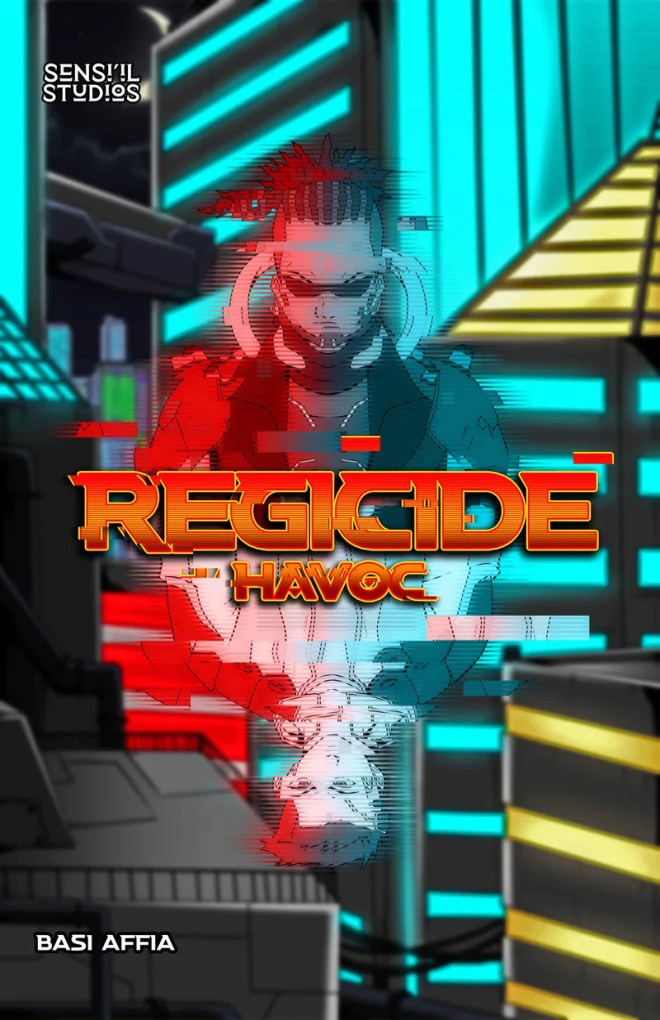
Basi Affia established Sensi’il Studios to bring authentic representation to marginalized and underrepresented voices, including veterans. A member of the Iowa National Guard, Affia’s latest comic Regicide: Havoc – which is currently crowdfunding – features a former soldier who leads a group of mercenaries so he can reunite with his family. Comicon.com caught up with Affia to discuss the reasons he joined the military and why he aligned his studio’s values with the pillars of Kwanzaa.
Tom Smithyman: You’ve created a number of comics. Your latest is Regicide: Havoc, which deals with a variety of military veterans’ issues including homelessness. Why did you choose to focus there?
Basi Affia: I chose to touch on veteran issues in this book because my work in the Army as a religious affairs specialist opened my eyes to a field of ministry that desperately needs more workers. Soldiers go through a lot both abroad and on the homefront, and many of them don’t feel seen or heard.
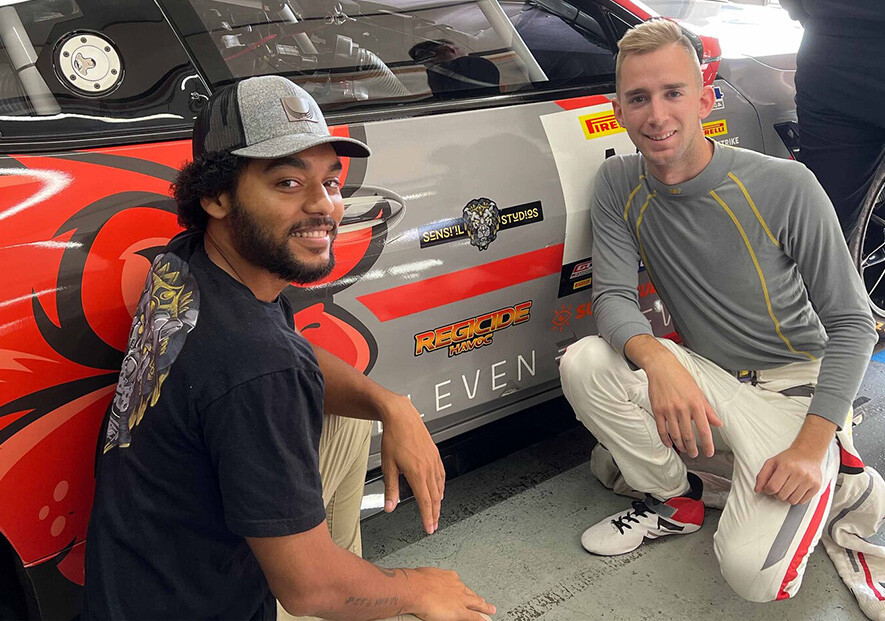
Smithyman: You have partnered with the 11/11 Veteran Project and race car driver Colin Garrett on Regicide: Havoc. What do you want to accomplish? Is it raising awareness or fundraising for vets’ causes or both?
Affia: My partnership with Colin and 11/11 is to bring Regicide to fruition and make a story that can be a bridge communities. This is an IP that will attract the Black community, veterans, cosplayers, and more. I wanted to pay the opportunity forward, so for every 500 books sold we’ll be putting a veteran-owned business on Colin’s car for a pro race!

Smithyman: You are a member of the Iowa National Guard, and that seems to be a large part of your identity now. Why did you join, and why does it remain so important to you?
Affia: I joined the National Guard to be a light in dark places. I prayed constantly for God to show me where I could be of use, and he directed me to the Army where I’ve done good work. It will forever be a part of who I am, and it’s opened up opportunities for me that I wouldn’t have otherwise.
Smithyman: Besides founding the studio, what is your specific role in the comics’ creation. Are you writing as well as drawing everything?
Affia: As far as my role, I do everything except draw. I’m the owner and chief writer, so I write the scripts and design the settings and characters for my own titles. The artists I hire illustrate it and bring their own creative vision to the projects as well, which really enhances it. I also will be publishing other creatives, which I will play a role in the editing process to ensure everything is on brand.
Smithyman: Do you remember the first comic book you read? What was it about that story that kept you coming back?
Affia: I think the first comic I ever read was a Marine Corps comic done by Marvel. I really love animations and series like Demon Slayer and Naruto for the symbolism and fight scenes.
Smithyman: You founded Sensi’il Studios to bring representation to science fiction and fantasy. When you were growing up, did you find that landscape in those genres – and the comic book world itself – to be lily white?
Affia: The lily whiteness of storytelling wasn’t even limited to comics and animation. Most media, in general, was white-dominated, leaving me with little to no representation. Some companies are getting better about it now, but it’s still a drastic disparity. Forty percent of the US fanbase is black but only 5% of the characters in this content reflect that.
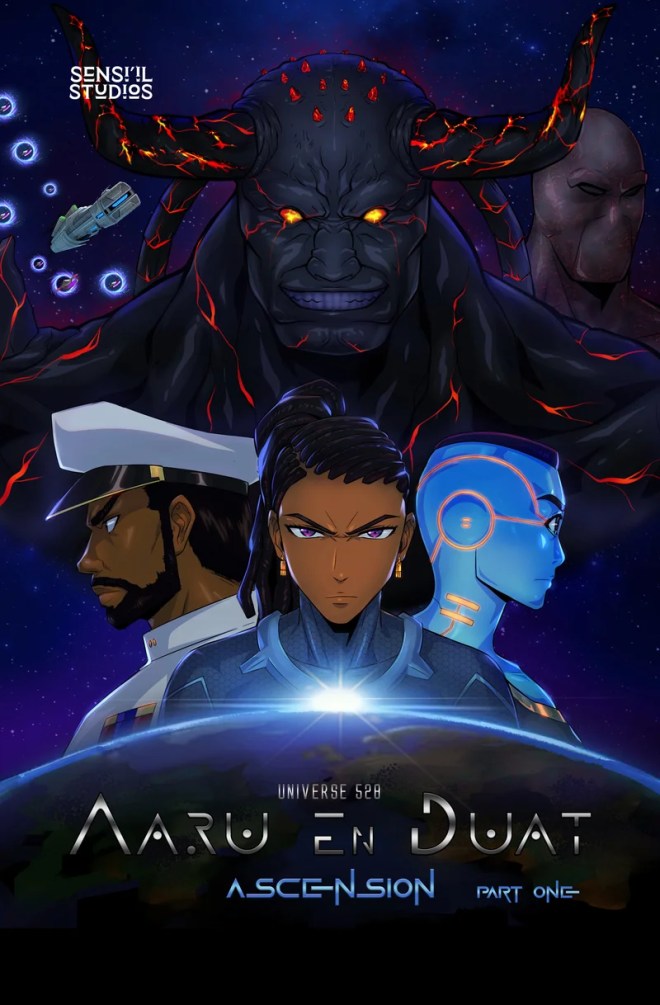
Smithyman: You have gone all in on this, aligning your company values with the Nguzo Saba, the seven pillars of Kwanzaa. Why did you feel it was important for Sensi’il Studios to adopt these tenets as your own?
Affia: The company must be founded on the Nguzo Saba because those principles are key things that will maintain the Black community as a whole. I want the company to be more than a brand, but a banner for Black creatives to rally under where we can lift each other up and work together rather than competing.
Honoring the Nguzo Saba in our stories can truly pay homage to the roots of what a Sensi’il is. A Sensi’il is a Ge’ez word for sequential art that is derived from “sensul,” a folded accordion of drawings from 17th century Ethiopian monasteries that monks would use to tell stories. Ensuring that the company culture is rooted in African ancestry will guide the themes of Pan African Story Telling (PAST). Our PAST informs our future.

Smithyman: Representation matters. Where do you want to see comics heading into the future?
Affia: Moving forward my comics will be getting animated and placed on shelves in major stores around the Midwest. The future of graphic novels is bright with the recent resurgence of comic aficionados thanks to superhero movies. Other media also plays a role, like video games and TV shows, that build up comic characters. Whether it’s a webtoon, animation, or a hard-copy book, graphic novels will always have a place in human society.
Smithyman: I really appreciate you taking the time to talk about these important topics. Best of luck with the crowdfunding campaign.
