
SXSW 2024: ‘I Saw The TV Glow’ Is Visually Brilliant And Effectively Evokes Nostalgia And Teenage Angst
by Gary Catig
Jane Schoenbrun’s breakout film We’re All Going to the World’s Fair explored themes of youthful angst and gender dysphoria utilizing horror elements. The narrative blurred the line between fantasy and reality. The filmmaker took a similar approach with their latest project, I Saw the TV Glow, which screened at South by Southwest (SXSW)

I Saw the TV Glow follows two troubled teens named Owen (Justice Smith) and Maddy (Brigette Lundy-Paine) who connect over their fandom towards a late night television series known as The Pink Opaque. Their lives take unexpected turns the day their favorite program is cancelled, and Owen questions whether if there is a deeper significance.
As a filmmaker, Schoenbrun expertly captures that high school age. The dialog is sharp, playful, and real while Smith and Lundy-Paine convey the isolationism, fear, and anxiety most outcasts feel. It’s a little heart-warming that the pair find a kindred spirit over their shared love of a Nickelodeon SNICK type show. Their enthusiasm is infectious and provides a rare bright point in their lives.

Speaking of SNICK, the movie conjures a nostalgia of the’ 90s. The production values of The Pink Opaque is on par with the era as it creates this story within a story dynamic. Most impressive is the soundtrack that perfectly matches the teenage angsty vibes of its characters. As Schoenbrun mentioned during the Q & A, when compiling her playlist for the film, she commissioned 16 original songs that you would hear played at Buffy the Vampire’s Bronze or The Peach Pit of Beverly Hills 90210.
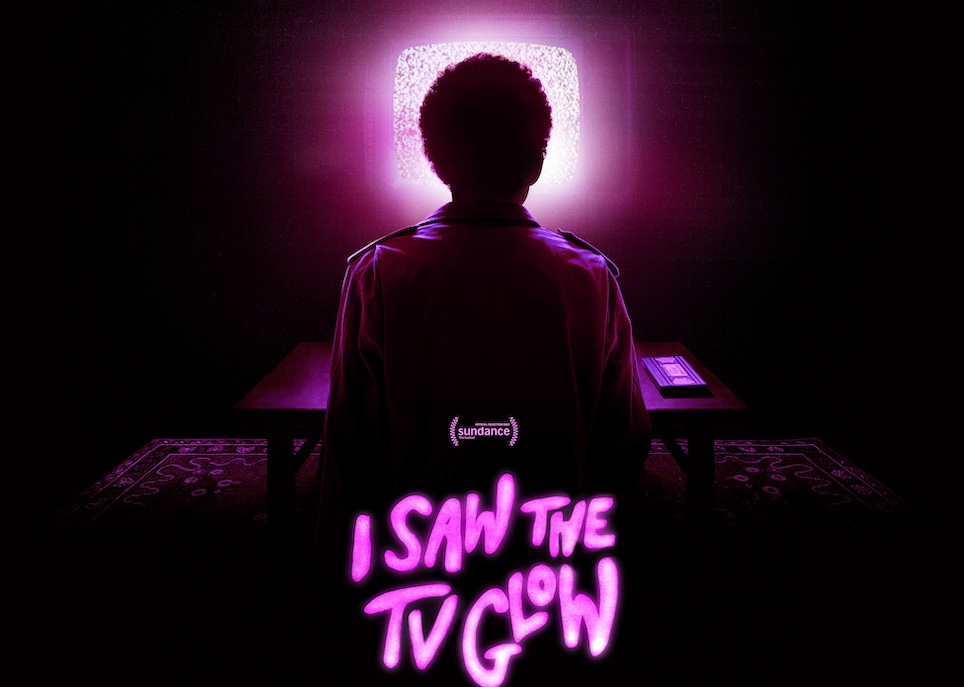
Visually, I Saw the TV Glow is stunning. The use of shadows and darkness complements the gloomy world Owen and Maddy live in. That darker palette makes the colors more vibrant and stand out more in contrast. Schoenbrun finds clever ways to implement these colors through both practical and visual effects. Also, the lighting and angles of shots evoke an unnerving eeriness. Even the decisions audibly add to the mood at key moments such as an increase in volume of a song. All this attention to detail makes for a more fun and immersive experience.

From a story standpoint, that line of reality and fantasy becomes blurred. It comes with a noticeable and drastic tonal shift that can disrupt the flow of the film. At this point, things become more unclear and harder to follow. It took some time to marinate and some insight from the filmmaker, but there is an intriguing exploration of the mental effects of denying the real inner you and gender identity.
Despite a confusing latter half, I Saw the TV Glow is a smart, personal, and visually brilliant film that delves into personal themes of self identity.
