
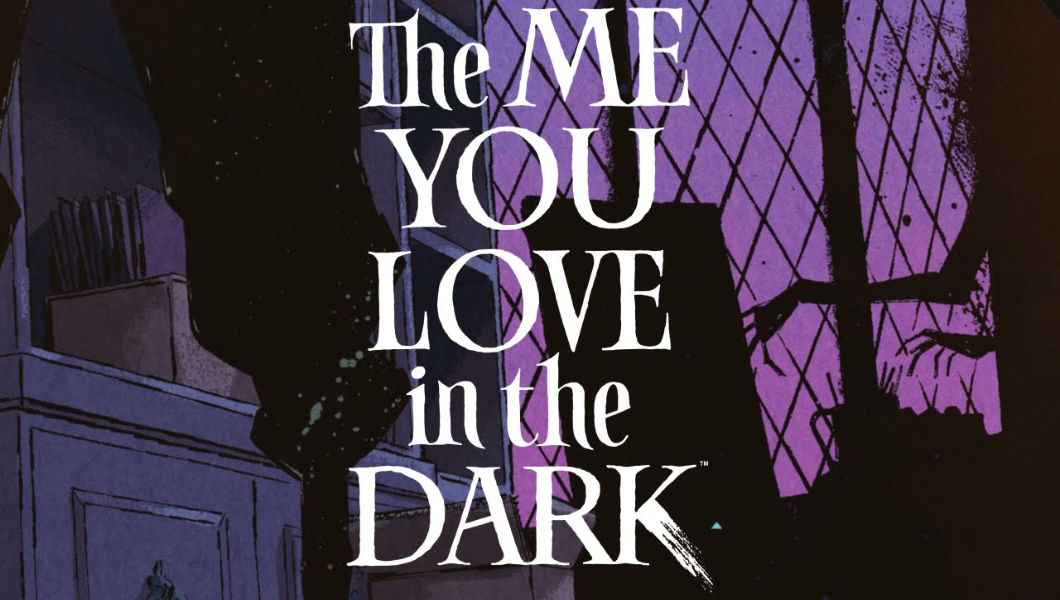
Commnetary: ‘The Me You Love In The Dark’ And The Problem Of Serialized Comics
by Frank Martin

Comics are a very tricky medium. Often times, there’s a conflict between the pacing of a story and its format. This is especially true of serialized comic books. Problems arise because, although the story itself is released in separate issues, the structure often works better as a full-length narrative. A lot of stories are serialized when they should be graphic novels. But graphic novels are an entirely different market than serialized comics. It’s harder to push through from a business perspective. This can create an awkward experience reading issues in monthly installments when ompared to all at once. The miniseries The Me You Love In The Dark is a good example of this.
Written by Skottie Young and drawn by Jorge Corona, this Image series is essentially a haunted house story. A young artist struggling to find inspiration moves into a dilapidated house that’s rumored to be haunted. It’s not clear if the entity she encounters is a ghost, but it’s definitely a dark creature of supernatural origins. She befriends the entity before the two form a romantic relationship. But it’s difficult loving a shadow monster, and the creature turns dark, forcing the artist to burn the house down to escape.
As a whole, the story is a beautiful journey of love, depression, and horror. Reading it in a trade format gives the feeling of reading it as a novel from beginning to end. This takes the reader on that journey all at once without any interruptions. However, this wasn’t how the series was originally published. It was released in separate installments, serialized to best fit the direct market. This can be a problem for the reading experience because the story changes so much over time. It ends on a horrific note, but there are issues that have no elements of horror whatsoever. In fact, some issues feel entirely like a romance comic, giving the reader a false impression of the overall story. This runs the trouble of turning a reader off and risks losing them when the next issue releases a month later. Sometimes, it’s best to release a story in its entirety so that readers can get the full experience up front rather than a choppy narrative.

