Commentary: The Different (Ends Of The) Worlds Of ‘Silo’ And ‘The Road’
by Frank Martin

In an age of societal dread, it’s no surprise that post-apocalyptic stories have become popular. But there are many different ways to depict the end of the world. Some tales take a straightforward approach, showcasing a society without rules or order, where cruelty is never punished but, in fact, necessary to survive. Other stories take a much more science fiction approach to its plot, placing its characters in a more contrived setting. While The Road, starring Viggo Mortensen, focuses on the former, Apple TV+’s Silo centers on the latter. Both worlds are filled with desperation, but Silo takes a much more humanistic approach to its characters.
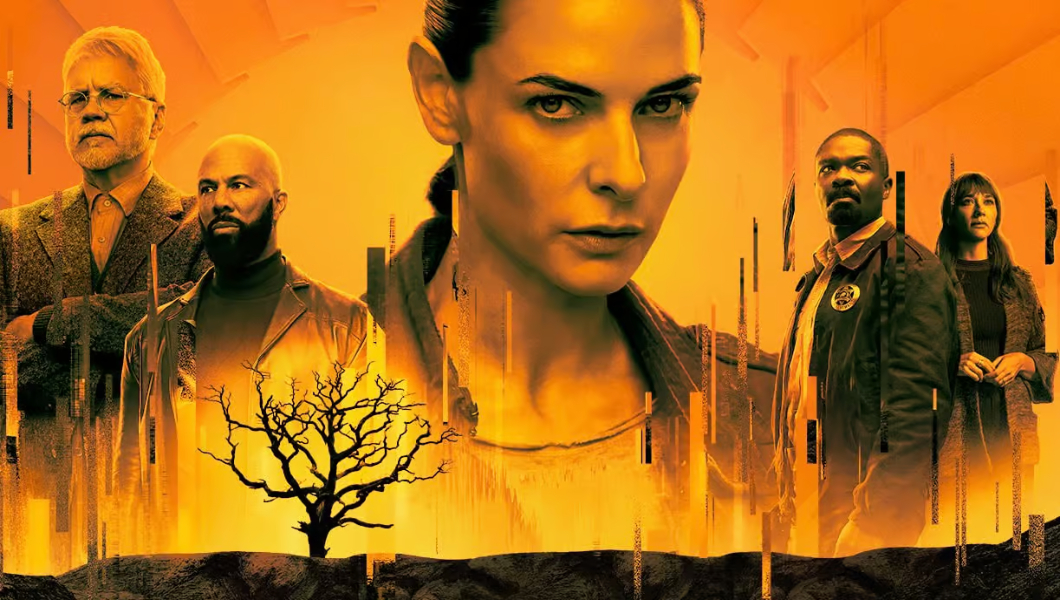
The series depicts a community living in an underground fallout shelter. A woman named Juliette (Rebecca Ferguson) is forced to go outside as a form of political punishment. But surprisingly, she survives and encounters another silo that has been destroyed. There are a few survivors who managed to live in this ruined silo for decades. And after an initial tense standoff with a man named Solo (Steve Zahn), Juliette learns the truth: Solo was the son of the silo’s mayor who ended up growing up in isolation after his father was murdered during an uprising.
The Road is an extremely depressing story. In its post-apocalyptic world, humans have turned ugly and embrace brutal violence to survive. Silo is also a brutal world. Juliette and Solo don’t trust each other at first, and rightfully so. In a world where society has crumbled, anyone is capable of anything. But through the story, it’s revealed that Solo is not a violent man by nature. He’s just a broken man. So even though both stories show a harsh world, Silo depicts humans as broken individuals rather than those who give in to their worst animalistic urges.
Silo is now streaming Apple TV+.