
Opinion: The Superhero Retreat From Television Is The Right Tactic
by Erik Amaya

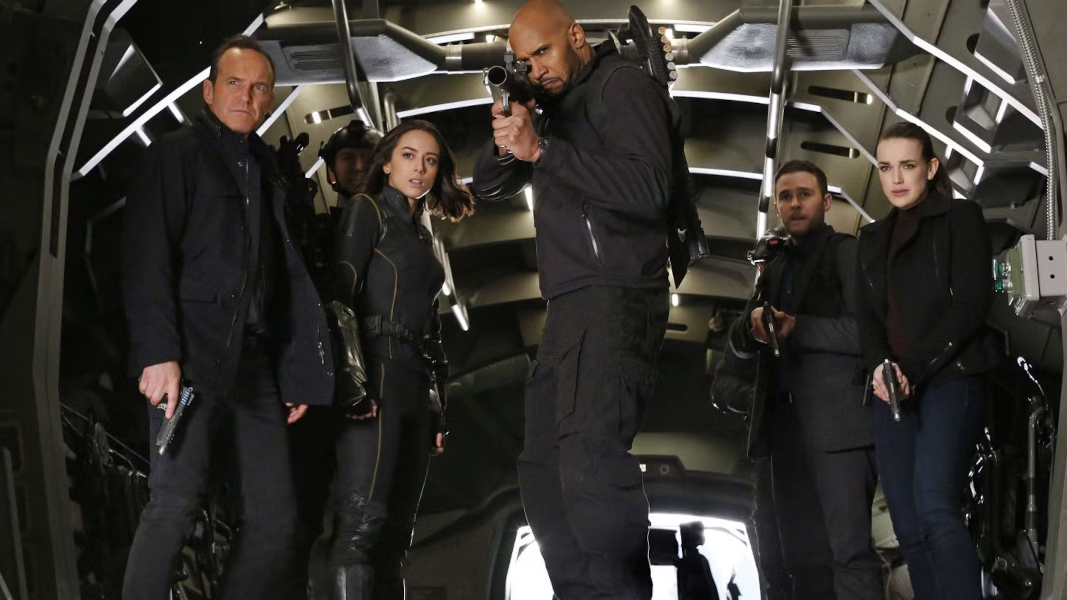
Since the premieres of Arrow and Marvel’s Agents of S.H.I.E.L.D., mainstream superheroes fans have enjoyed an embarrassment of riches in terms of television. Arrow led to an entire universe of DC Comics-inspired programing while S.H.I.E.L.D., after a rocky start, became a fun weekly installment of the Marvel flavor.
And, then, something changed.
The Arrowverse hit its peak in the 2019-2020 “Crisis on Infinite Earths” crossover event, collapsing entirely with the end of The Flash in 2023 — meanwhile, Superman & Lois quietly revealed it was not occurring in the same reality as the other post-Crisis shows, continuing on for another season after The Flash made its last run. S.H.E.I.L.D. was completely unmoored from the Marvel Cinematic Universe by the end, with producers confirming to this writer that they were never told about Avengers: Endgame‘s five-year time jump. But even before that, it was clear the program was charting its own course with fewer references to what was happening in the movies. Shortly after it aired its last, Marvel Television would be shut down in favor of Marvel Studios making television for Disney+.
Six years later, both mainstream superhero camps have more or less abandoned television. But this might be the best choice.
Here us out: After Loki, Marvel Studios’ TV shows started to feel like an obligation to understand the films. Or, at least, general audiences expressed that sentiment despite the fact only The Falcon and the Winter Soldier, Ms. Marvel, and Ironheart connect directly to the films — the last only because Black Panther: Wakanda Forever awkwardly introduced the title character. The other programs introduced compelling characters, but they all seem to be abandoned with little chance any of them will return in Avengers: Doomsday. Additionally, following the release of VisionQuest and the third year of Daredevil: Born Again, no other Marvel series are set for release (granted, many projects are rumored) in the near future.
Across town — whether that burg be New York or Burbank, CA — the dissolution of the Arrowverse led to Peacemaker, a series tied to two DC cinematic universes. It was also supposed to be the beginning of a whole HBO quarter of DCU series. To date, only a second season of Peacemaker, a season of Creature Commandos, and the debut of Lanterns have emerged. More troubling, a slate of TV programs revealed by DC Studios co-CEO James Gunn a few years ago has largely been abandoned with HBO passing on concepts like a series focused on Amanda Waller (Viola Davis) and Wonder Woman’s home island, Themyscira. After Lanterns concludes next week, all that remains of the initial plan is a second season of Creature Commandos. The fast-tracked The People vs. Gorilla Grodd mockumentary series currently in production was not part of Gunn’s initial presentation.

The whys of this change are a matter for future history, but for those of us on the ground, it feels as though the business took the largely-mythical notion of “superhero fatigue” to heart. But whether or not that sensation was real, a product of Marvel flooding streaming with short-run series, or something else, we can’t help but feel restricting superheroes television shows is the right move.
Well, for now, anyway.
Other than Born Again, people seem to shrug at new Marvel shows like Wonder Man or VisionQuest. The opinion of DC writ large leaves people wondering if the stories will even matter considering how often the universe reboots in comics, films, and television. The pained sigh that has replaced a gasp of anticipation means it is best to retreat from the small screen and, for now, keep the superheroes on giant IMAX screens where people can enjoy big battles and big emotions collectively. Anyone who went to Avengers: Endgame Encore over the weekend can tell you that feeling is still satisfying.
But should either studio give up on TV completely? We don’t think so. Like S.H.I.E.L.D. in its best seasons, a single superhero show per universe could help maintain momentum in between big screen releases. In fact, S.H.I.E.L.D. points the way in how to do it. Start with a group of TV-ready characters — say the New Warriors for Marvel and Checkmate at DC. Each show is connected to the film universes and can examine the fallout of those events, but the films themselves are never dependent on what the TV shows do with their set of characters and locales. S.H.I.E.L.D.‘s biggest contribution to the Infinity Saga was determining the location of the Mind Stone ahead of Avengers: Age of Ultron, but the film itself never recognizes the show. It’s just an added incentive for the program’s audience to know the intel came from Coulson (Clark Gregg) and his team.

The key thing in any TV shows going forward is to give the fans a window into the day-to-day of their favorite superhero universe without making it feel like homework. The job is to remind the audience of that sensation they experience in theaters with a set of characters they like spending time with week-in-week-out. Also key: making sure the series produces new episodes each and every year.
Of course, the current economics may prevent any consistent superhero on television, but tides change and audiences will want to see, say, John Constantine on their home theater setups again. It’s just a matter of getting the right characters, focus, and balance relative to the film side of the universe. Will the studios pull it off? Time will tell.
