
Commentary: How Sequels Can Ruin An Original Film
by Frank Martin

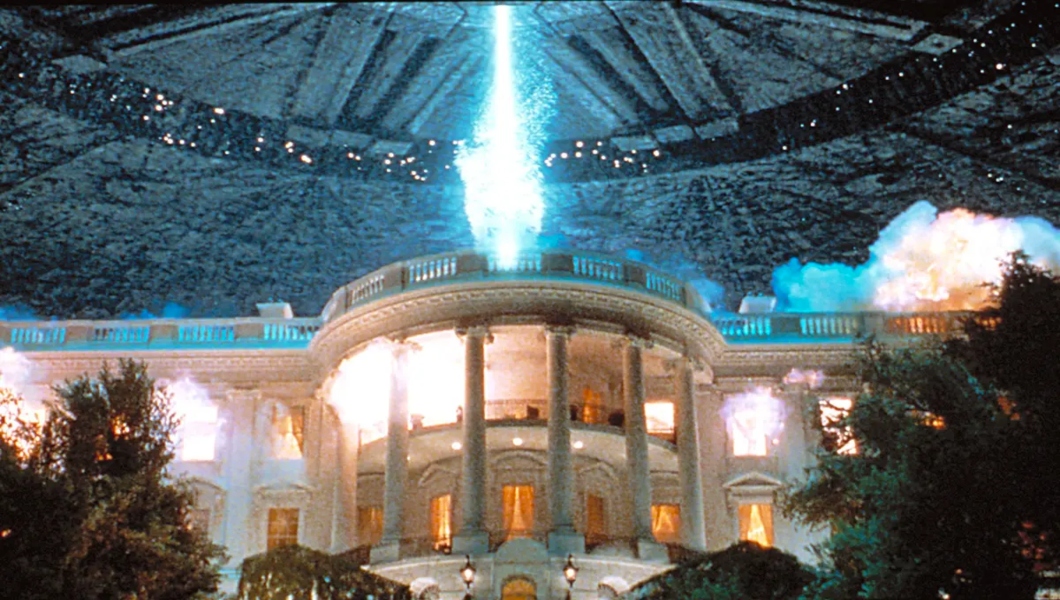
It is always a risk when a movie studio makes a sequel, especially if the first movie is loved. The upside is obvious. It’s a chance to cash in on nostalgia, as well as build a possible franchise. But there’s also risk from a storytelling standpoint. It might seem that audiences can merely separate the two entries if one isn’t up to the same standards, but this isn’t always the case. Sometimes, a standalone story is meant to end on a certain note. A sequel can change the context of that ending, thus affecting the original in unintended ways. This is exactly what happened in the case of Independence Day: Resurgence.
The basic premise behind the sequel was simple. It put forth that the aliens who invaded Earth weren’t on their own. They were a part of a larger force, which was contacted upon their defeat. This larger force sent a bigger ship to Earth in response, which Earth now had to deal with. Also, the film contains a plot line that included a new race of aliens who were also fighting the same aggressive enemy. This insinuated that the galaxy is filled with all different kinds of sentient life.
The first Independence Day ended on an awesome note. There wasn’t any hint of any larger conflict or other races. In fact, there wasn’t any mention that the force invading Earth was a part of a much larger army. That was always a possibility, but the fact that it wasn’t mentioned or hinted at meant that the story was an isolated incident. The audience’s expectations of the situation were contained and thus the movie could stand on its own without being included into a larger universe. Also, characters that were thought dead came back, changing the fate they held in the film for decades prior to the sequel’s release. So while it might seem nice to create a sequel and expand upon a beloved story, storytellers need to be very careful because new developments can change the context of something for the worse.

