
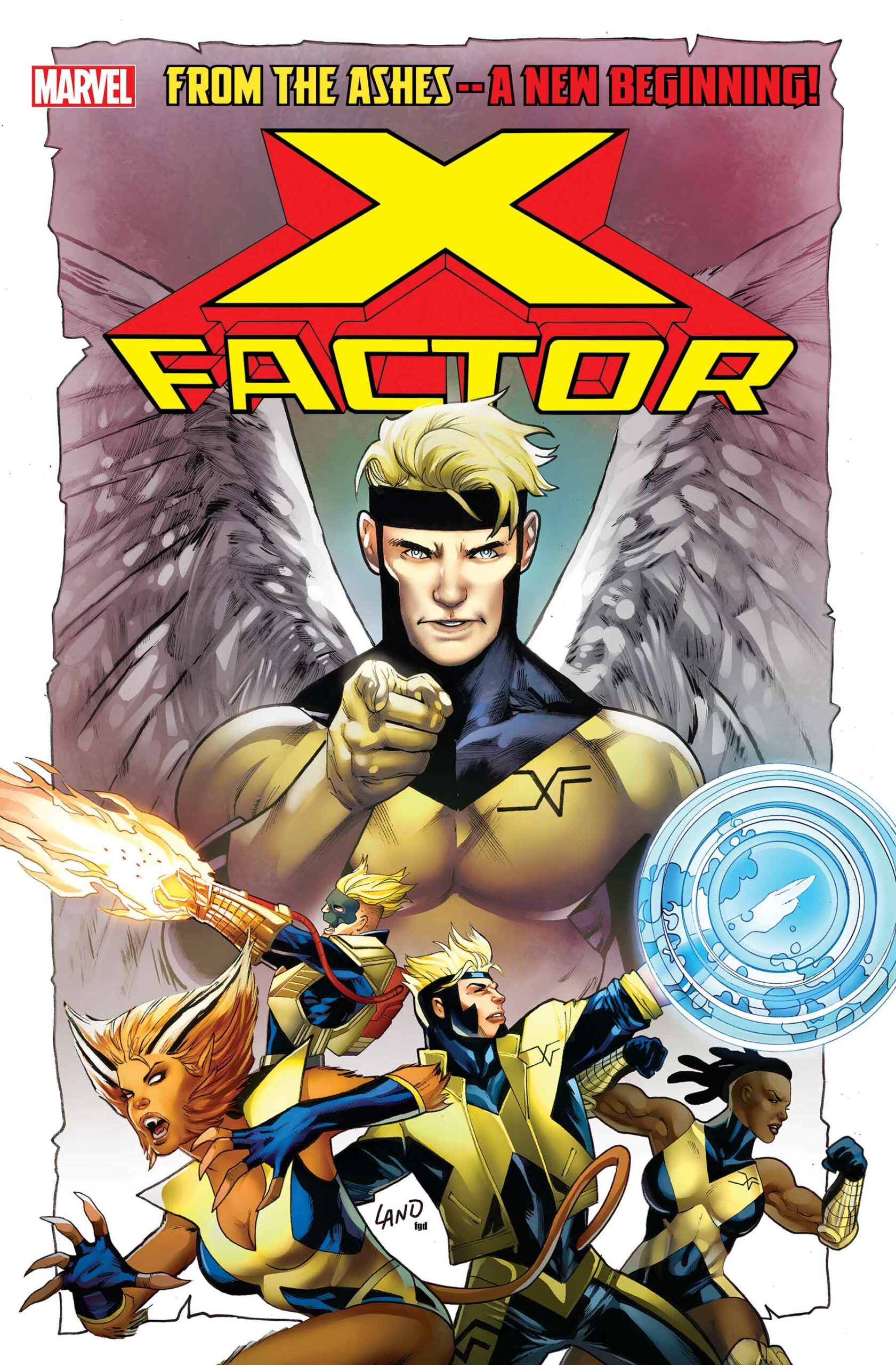
Better, But Still Not Good– Reviewing ‘X-Factor’ #2
by Austin Gorton
Overview
X-Factor #2 manages to clear the low bar set by the first issue, but still struggles to succeed thanks to off-model characters and muddled politics.
Overall
3/10By virtue of showing less blatant contempt for its characters, X-Factor #2 manages to clear the very low bar set by the inaugural issue of the series. Which isn’t to say it’s suddenly a great comic. It’s just more of a mediocre one than an outright catastrophe. Its characters remain out of character, its politics muddled, and its premise questionable. It also reads much more like a traditional comic than a Mark Russell comic — which could be a good or a bad thing depending on your tastes.
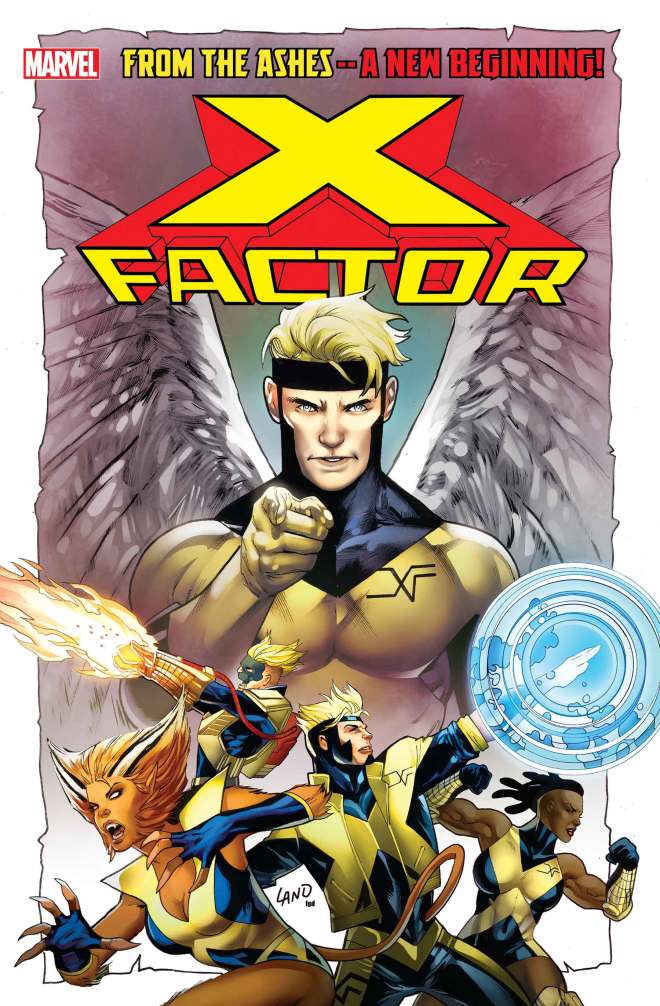
To its credit, X-Factor #2 does some necessary work to make the series work. Specifically, by having less interest in slaughtering it’s cast for shock value, it provides a little more background on what currently stands as the roster of X-Factor. The usually-team-averse Ceclia Reyes is serving as the team’s medic (which kinda justifies her presence). New character Granny Smite is an immortal mutant with a death wish. Pyro is named deputy leader under Havok, while also serving as an example of the book’s tendency to contort its characters to make a point or a execute a gag.
Havok objects to Pyro’s appointment on the grounds that he’s a former terrorist, which ignores the fact that Pyro more or less acted with distinction throughout the Krakoa Era Marauders. Or that he was part of Freedom Force, the government-backed mutant team that preceded the original government-backed X-Factor Havok previously led. Or Havok’s own late 90s dalliance with leading a terrorist Brotherhood himself. Similarly, the repeated gag throughout the issue, of Pyro wanting to know if the problem of the moment facing the team is something that can be solved with fire is, on paper, funny.
But it doesn’t really fit the character — Pyro has never been a dim-bulb obsessed with simply burning things (despite the allusion of this codename); if nothing else, he knows how to contribute as a team player to superhero action, given the fact he’s been on one team or another for nearly the entirety of his published appearances.

Similar “contort characters to fit the needs of the story” happens in the Havok/Polaris/Mutant Underground plotline. Russell seems to be presenting Polaris as the reasonable one in the relationship: he’s shown us how Broderick and General Mills are, generally, untrustworthy actors who are backing X-Factor for reasons far afield from “because it’s good for mutants”.
Yet at the same time, he’s also presenting the Mutant Underground as something to be suspicious of — they have armed guards, and big “if you’re not with us, you’re against us” energy. Even after the armed goons strike down their leader and try to kill both Havok and Polaris, Polaris opts to stay with them, undercutting her arguments to Havok (to say nothing of the fact that Polaris should know ambushing Havok into a Mutant Underground intervention wouldn’t work).
The end result muddies whatever point is trying to be made — both sides are bad? — while also bending Polaris out of character in the process — that she would be pro-mutant is fine; that she would stay with the group even after they tried to kill her makes no sense.

Which leaves the best material in X-Factor #2 to be the more standard superhero comic book stuff vs. any of the character or thematic/political material. Stuff like the downtime interplay between the team in the opening pages. Bruin’s origin manages to be both devastatingly-sad and a parody of devastatingly-sad mutant origins at the same time.
The art from Bob Quinn and colorist and Jesus Aburtov continues to be top-notch, juxtaposing the darker themes and events with heavy, almost cartoonish lines and bright colors (props to Arbutov for managing to put different shades of green into Polaris’ hair). This is a series which made it clear from the outset that It Has Something to Say, and it’s continuing to struggle in that regard. At least the basics of superhero storytelling are mildly improved.
