
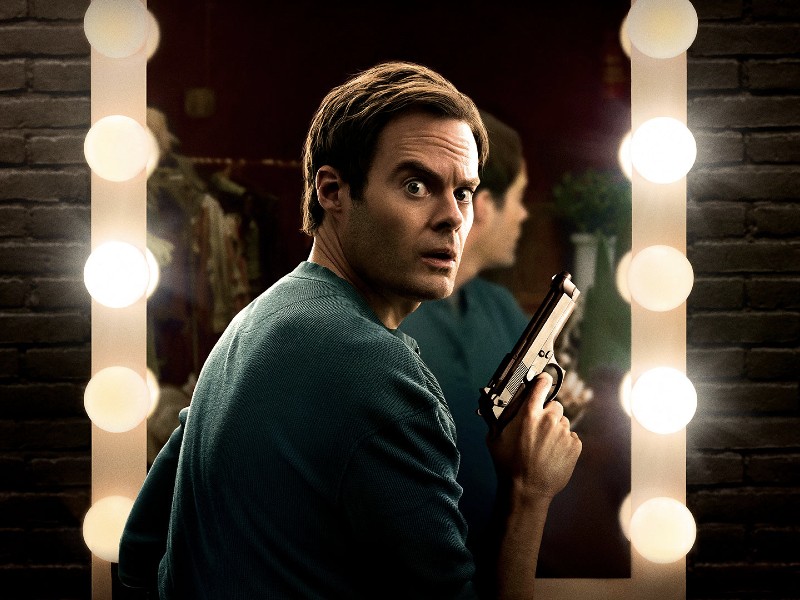
‘Barry’ And The Resurrection Of Subtext
by Frank Martin
WARNING! Spoilers for Barry‘s season finale ahead.
The art of storytelling has evolved tremendously over time. It might be a controversial statement, but I firmly believe that audiences have become dumbed down along with it. That’s not the same thing as saying as people have become dumb. But as entertainment shifts, audiences generally don’t like to think too hard about the stories they consume. They want it spelled out for them rather than have to work to understand it. That’s not to say that every story is like that, but there’s something to be said about tales that convey a message through subtext or symbolism, forcing its audience to interpret its meaning for themselves. Which is exactly what the HBO show Barry did in the opening scene of its season finale.
As the finale starts, Barry (Bill Hader) is in a dream state after having been poisoned. In this dream, he sees all of the people he’s killed on a beach. Right before he’s about to wake up, he sees two people in his life that he cares for. These people aren’t dead, but Barry has hurt them in the past. The symbolism and implications are clear. Barry’s guilt associates these two characters with all of his victims. And if he doesn’t do anything to change, they may die and become yet more numbers in his body count.
But none of that is spelled out for the audience. It has to be interpreted and deduced to be fully understood. This kind of storytelling is a throwback to the old school way of doing things. William Shakespeare was notorious for introducing a scene with layers upon layers of subtext that only a keen audience would be able to pick up on. That’s not to say that Barry is Shakespearean level storytelling, but it’s refreshing to see stories that take this approach and don’t spoon feed its audience every explanation.