
Advance Review: ‘Heroes, Villains, And Healing’ Of Trauma
by Benjamin Hall
Summary
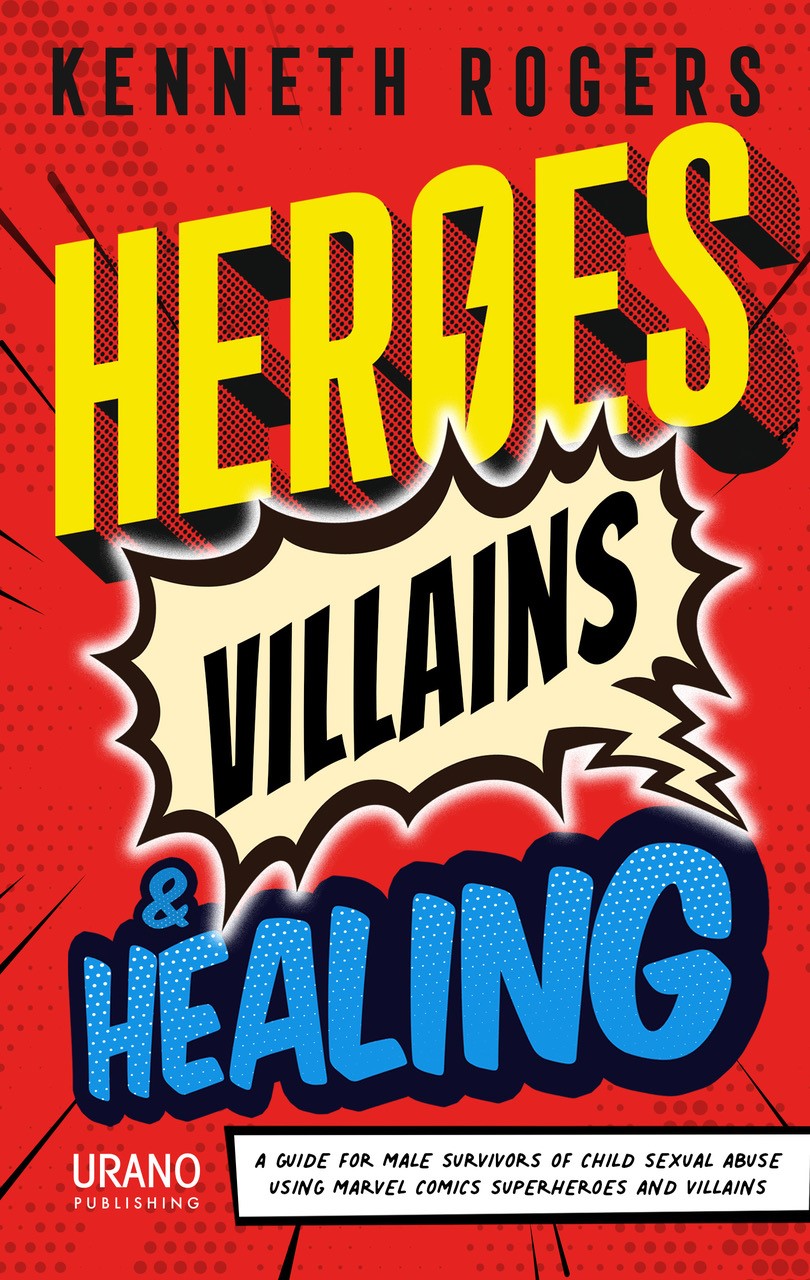
Writer Kenneth Rogers Jr.’s new edition of the therapy aid book ‘Heroes, Villains, and Healing’. The intention of this edition is the same as the prior one. That intention is to help men understand themselves and heal from childhood sexual trauma. This time through the referential lens of Marvel comics characters and events. Will you give it a try?
Overall
8.9/10(Trigger warning for mention of non-consensual acts!)
Writer Kenneth Rogers Jr. crafts a fine new edition of his book Heroes, Villains, and Healing. There are only two clear differences between these two editions: The first is references to the original—which focuses on DC characters—and the second being the referential focus for this version being on Marvel characters. Though these differences are clear they do not seem to affect the work in a positive or negative way. Another thing that does not greatly affect this work in a negative way are the the standard typos. Unfortunately, the non-standard mistakes in proper accreditation do crop up a significant amount. To an extent this flaw hurts the honesty of the work.

When it comes to trauma pretty much everyone will experience some amount of it. While this book can’t heal trauma it can at least help a reader who is getting professional help from someone like a therapist. This occurs due to Rogers Jr. mainly using references to the marvel heroes to identify routes and methods of thinking. Rogers Jr. also goes into autobiographical moments to show that the reader is not alone in dealing with trauma, particularly males with childhood sexual trauma. Not to mention that Rogers Jr. puts in several trigger warnings, plus the idea that one should take breaks from this book if it starts becoming overwhelming. Also Rogers writes about the need for professional help over just reading about how to help oneself.

The foreword is by a Doctor Michael Gomez. It features a writing style that is complementary to that of Rogers Jr. Meaning that both styles are rather smooth reading, and both contain a suggestion of a calm tone. Rogers Jr. is style is trying to relate to the reader while being sensitive and vulnerable to whomever they are. While Dr. Gomez is just creating an entry way for the book. Overall this book is a very great read for any who is looking for some additional help with healing from their trauma.
The Marvel edition of Heroes, Villains, and Healing is due out June 4 from Urano Publishing.

