
Boys In The Bank: Talking ‘Dog Day Afternoon’ With Author Rachel Walther
by Rachel Bellwoar
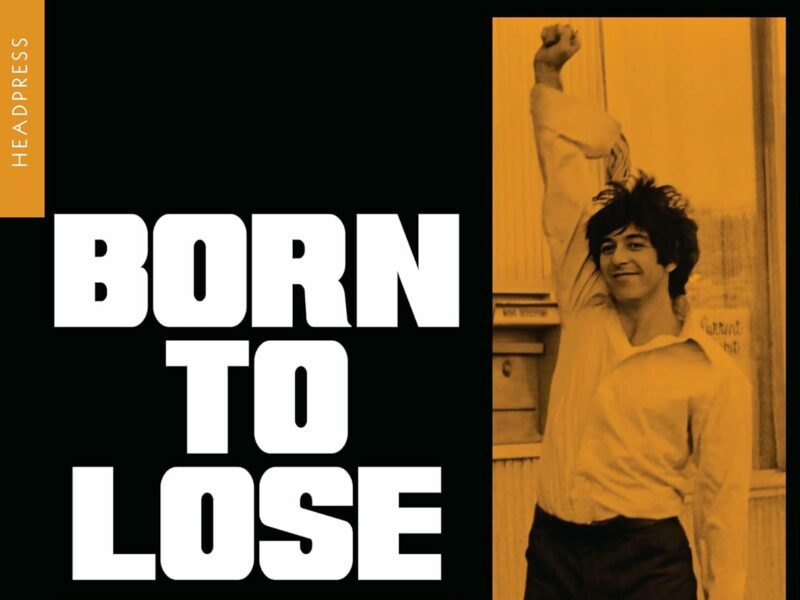
What’s so great about winning when Al Pacino makes losing look so cool? Cool is probably the wrong word to use (especially since Dog Day Afternoon is based on true events), but it doesn’t get more human than Sidney Lumet‘s masterpiece. With her new book, Born to Lose: The Misfits Who Made Dog Day Afternoon, Rachel Walther considers both the making-of and the bank robbery that inspired the movie. For more on the book, check out this interview with Walther below:

Rachel Bellwoar: What initially interested you in writing a book about Dog Day Afternoon and do you remember the first time you saw the movie?
Rachel Walther: When I learned about the real-life backstory of the film, I was transfixed. It’s rare that a movie from that era is so scrupulous about getting the real story correct. I wanted to learn as much as I could. I honestly can’t remember when I first saw it, it seems like I’ve always known it. I think it’s through watching clips on “Best of” shows and things like that growing up.
Bellwoar: In trying to pinpoint what makes Day Day Afternoon so special, one of the things you identify is the lack of false moments in the movie. For instance, you bring up how Pacino struggling to get the gun out of the box at the start of the robbery was technically a mistake, but Lumet left it in. Is there a scene or moment that encapsulates what you think makes this movie and its performances so indelible?
Walther: Perhaps the first sequence where we meet Leon. The matter-of-fact way Charles Durning’s character treats him with respect and a bit of disinterest sets us up that Leon is not there for a punchline, but to be taken seriously. And once he gets on the phone with Sonny, their connection is so warm and familiar, despite the crazy circumstances. Their relationship remains the heart of the film for me.
Bellwoar: The real robbery that Dog Day Afternoon is based on took place on the 22nd of August, 1972. It was a big enough story that Life magazine covered it in September of that same year, but how familiar would audiences going into Sidney Lumet’s movie in 1975 have been with the actual events?
Walther: Not too much — although it was covered in Life, it remained a very New York-specific event. Local papers covered the aftermath of the robbery, but it didn’t make waves nationally. That being said, I’ve met a number of people who lived in Brooklyn during that time who remember the event very clearly. It was a huge deal in the neighborhood for years afterward.
Bellwoar: If John Cazale’s Sal was a bit of a mystery in the movie, it sounds like that’s unfortunately true to real life. What do you think of the film’s portrayal of Sal overall, from using his real name (unlike John Wojtowicz’s, which was changed) to the casting of Cazale, whose acting is incredible as ever but he’s still a 39-year-old playing a person who was 18?
Walther: I think Cazale did a great job. He conveyed the volatility of how Sal was described by the tellers during the actual event, and he never tried to play “young.” His naivete sticks out even more since he’s clearly middle-aged. Both Frank Pierson, the screenwriter, and director Sidney Lumet were okay with adjusting Sal’s age in the film to suit their final casting choice.
Bellwoar: That robbery would have lasting consequences for people. How important was it to you to tell the story of what happened to those involved after the cameras moved on, especially Liz Eden (who inspired the character of Leon played by Chris Sarandon)?
Walther: For me, it was essential. While many of the artists involved with the film were able to point to it as a high-water mark in their career, the folks who inspired the story were still struggling to pay their bills and move on with their life. Liz was in some ways forced to capitalize on her connection to John Wojtowicz, the real robber played by Al Pacino, to maintain a public profile and support herself, when she would have much preferred to retreat from the spotlight. Learning more about what she had to survive in her twenties, and knowing that she did eventually find a modicum of peace and quiet in upstate New York, was one of the most rewarding aspects of the project.
Bellwoar: The book doesn’t go into as much detail about the hostages at the bank. Do you know if any of them are still around?
Walther: I don’t believe so. I know many, if not all, have passed on. None of them sought out media attention after the event, and a few continued to work in the bank at the same location. Thankfully, Walter Stokman, a Dutch documentary filmmaker who traced this story in the mid-2000s, interviewed several tellers at the time, and he generously shared their insights with me.
Bellwoar: One of the scenes that really stood out to me during a recent rewatch was the way the camera holds on Pacino’s face as his character’s being arrested, and you see him watch the other hostages walk away. In the book, you write about how after one take of the scene where Sal gets shot, Penny Allen (who played one of the hostages) didn’t get out of the car. That obviously wasn’t the direction Lumet wanted to go in but I think that could’ve been an interesting take on the relationship that develops between Sonny and the hostages (in the film at least), where it’s messier and more complicated than one might expect. How do you feel about the endpoint Lumet and screenwriter Frank Pierson chose?
Walther: I think it works well, although I love the point you bring up about letting the scene play out organically with Allen’s true reaction. I know Lumet was keen to show events unfolding at the airport the way they had in real life, and I suspect that’s why he encouraged them to do another take. The look on Pacino’s face as he sees Cazale taken away is one of the most heartbreaking endings, and for me, a key reason why I consider this movie in many ways a film noir.
Bellwoar: In the book, you also touch on some of the documentaries and art installations that have been made about or inspired by Dog Day Afternoon, including the Broadway show that just debuted. Do you think there’d be any value in remaking the movie someday, or is it better to leave the original alone?
Walther: I think this film is a good one to leave be. It’s so tied to its time and place that even the Broadway show retains its era and location. The communal experience of what develops between the hostages and the robbers wouldn’t be possible today—too many outside voices would leak in to the action via smartphones, and, practically, technology has also ruined the possibility of executing a good old-fashioned bank robbery.
Bellwoar: Thanks for agreeing to this interview, Rachel!
Born to Lose: The Misfits Who Made Dog Day Afternoon is on sale now from Headpress.

