
Adult Animation Revolution: What Animated Storytellers Can Learn From ‘Wildwood’
by Tito W. James
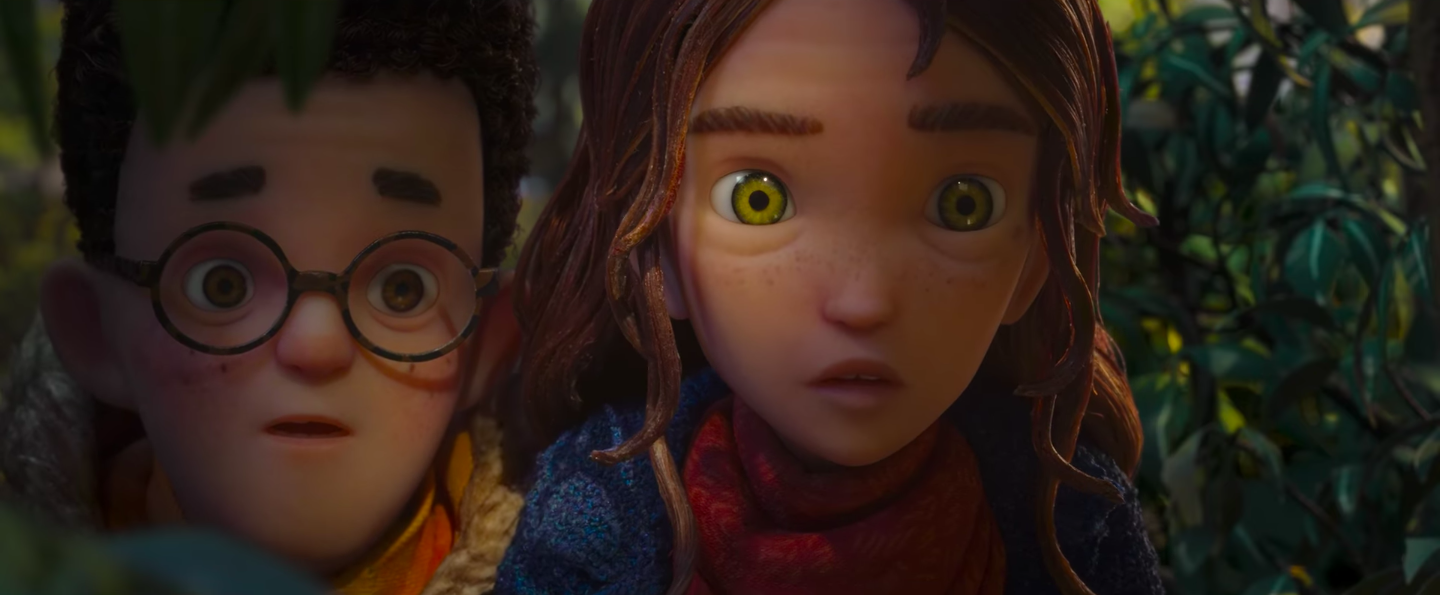
Directed by Travis Knight (Kubo and the Two Strings), Wildwood is a fantasy-horror epic that follows Prue McKeel as she sets off to the forests outside Portland to find her kidnapped brother. The film is Laika’s most ambitious to date and easily one of the studio’s best. It builds upon everything that Laika has done before and delivers an emotionally harrowing fantasy epic.

Protagonist Prue McKeel is an animator’s exercise in subtlety. In contrast to Laika’s first heroine, Coraline, Prue is decidedly not pop art in her design or overtly spunky in her demeanor. She comes across as a very believable young adult who’s outgrown childish fantasies and is ready for a new stage in her life. It’s this understated quality to her characterization and performance that makes her a sympathetic audience surrogate. The film’s moody atmosphere and genuine peril are accented by Prue’s sharp and surprising humor.
The human characters are wonderfully naturalistic to the point where the first act feels like an indie film coming-of-age dramedy. We’re then introduced to the fantasy elements in a thrilling sequence that could coexist with Alfred Hitchcock’s The Birds. Any further details would ruin the surprises of entering Wildwood. All that needs to be said is that this film is America’s equivalent to Princess Mononoke!

The audience response alone has been overwhelmingly positive to Wildwood. Therefore, I hope that filmmakers and storytellers learn the right lessons from its success. What really sets this film apart is that it’s one of the few animated films that’s rated PG-13. As our esteemed peers at Cartoon Brew have pointed out, there is an underserved audience for PG-13 animation. This age rating allows Wildwood to have really dramatic stakes without pulling any punches. At the same time, it stays in a PG-13 zone rather than turning into an R-rated film, which makes much of the violence more impactful.
Most families take their children to superhero or fantasy films that are all rated PG-13, so there’s no reason we can’t have more animated films that explore high concepts, morally complex characters, and life-and-death consequences. Those who’ve grown up reading fantasy literature have been acclimated to these thematic concepts, so there’s no reason they can’t be the norm in feature animation.

Wildwood and Laika should be commended for their commitment to painstakingly creating a handcrafted feature film. In the current cultural landscape, this is nothing short of a miracle and a bold act of rebellion. Hopefully its success will remind people of the value of hand-crafted art and original storytelling. Stop-motion animation is a niche art form, but with an aesthetic beauty and cultural value all its own. If we’re extra fortunate, we may see a return to hand-drawn animated films — the 2D animated credits sequence could have easily worked as a full feature film.
Lastly, Laika has always been ahead of the curve in regard to feminism, queer representation, and an overall progressive ethos. Their approach works because it’s organic, self-evident, and not beholden to the interests of toy sales or brand-identity. May Wildwood’s impact on imagination sings and dance rings around the naysayers and censorship advocates. This is what the future looks like.
Wildwood is now playing in theaters.


