
Adult Animation Revolution: An Exclusive Interview With Kevin Dart About ‘Yuki 7’
by Tito W. James
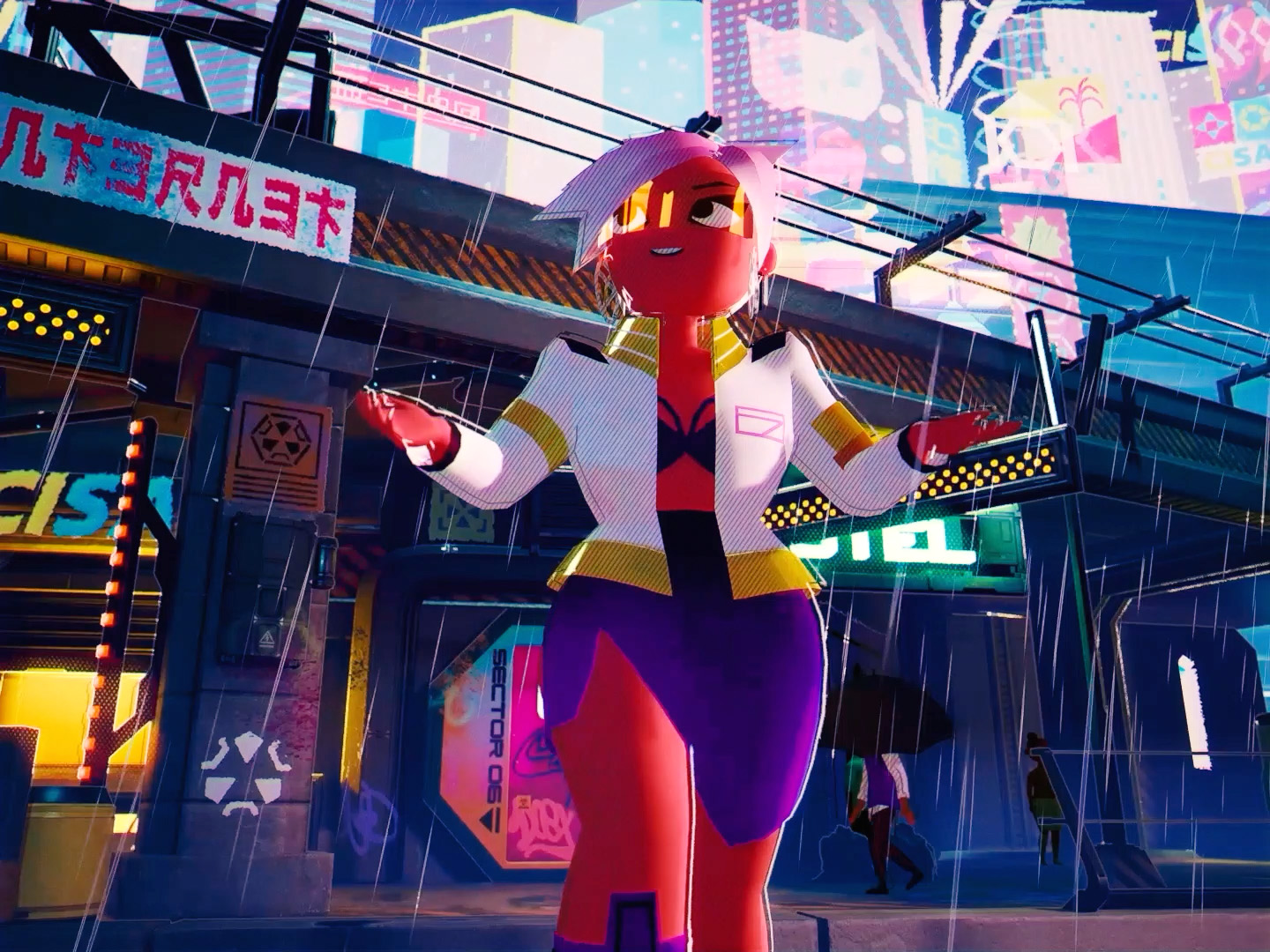
Yuki 7 is a character created by Kevin Dart inspired by the psychedelic spy adventures of the ’60s. I recently had the opportunity to chat with Kevin about Yuki 7 and the animation industry.
Tito W. James: Yuki 7 is a character that’s been in various stages of development over the years. What was the core inspiration for the character and what did you feel was essential to maintain through each incarnation?
Kevin Dart: I came up with Yuki around 2008. I used to be really into illustrating fake movie posters, but they were always just random ideas featuring kind of generic characters, and I started to think it would be fun to come up with my own James Bond-like movie franchise. I decided to make a character based on my wife Elizabeth Ito, because I thought she was very beautiful but also very badass. She’s always inspired me for being a complete original and also someone who fights for what she believes in.
The thing I love about Yuki and her world, and the reason I keep coming back to it, is that there seems to be no creative limit to it. Whenever I had new interests, whether it was outer space, or old movie monsters, or something else, I could find a way to fit that into the Yuki 7 universe. It’s just been a great sandbox to play in. It’s also allowed us to try out so many things from publishing books to making vinyl toys to, of course, making animated short films. That’s the main thing I’ve tried to keep consistent over the years – a sense of limitless creativity.

James: Cel-shaded animation is becoming more popular as a break from a Pixar-adjacent house style. The art and design of Yuki 7 is one of the aspects that immediately attracts audiences. It’s distinctive even from other stellar cel-shaded films and series. How do you keep your look so fresh?
Dart: We’ve always been very happy to completely start over with Yuki. We’ve revisited her design countless times, and we’ve also moved from books to 2D animation to 3D animation to real-time animation. The same way I’ve tried to keep the concept creatively flexible, we’ve also tried to keep the look creatively flexible. I think that spirit of being willing to reinvent and try new things is what helps the look stay fresh.

James: Yuki 7’s funky spy adventures reminded me of shows I enjoyed growing up like Powerpuff Girls and Kim Possible. How does it feel to create a similar experience for a new generation?
Kevin Dart: It’s definitely a huge goal of mine to build Yuki to a place where people can look at her as an aspirational character like the Powerpuff Girls or Kim Possible. I think we’ve come really far, but still have a long way to go! I will say that as we’ve developed Yuki, I’ve become a lot more aware of how people see her and have worked really hard to fine tune the character. It’s difficult to balance all of the different aspects – she’s very mysterious and troubled at her core, but she’s also silly and funny and loves to just chill out and do nothing sometimes. She’s also extremely capable and skilled yet subject to tunnel vision when she’s on a mission. I love in Powerpuff Girls how the three girls all balance each other out so well, and I’ve learned through making Yuki how difficult it actually is to achieve that.

James: It’s an open secret that it’s been traditionally hard to get an animated TV show greenlit on cable TV with a female protagonist. Is it still an uphill battle on TV networks or are Execs becoming more open-minded to heroines?
Dart: I think we’ve pitched Yuki as an idea to just about every major studio. It was actually in development for a short time at Cartoon Network around 2013. We’ve run into a lot of obstacles with it. Some of those obstacles have been about Yuki being a woman – I had one exec tell me that it didn’t make sense that Yuki did everything on her own and insisted that we add a male counterpart for her. But more often, the feedback has been about the target audience for the show. Yuki is a marriage of a lot of genres and ideas, and the audience could include anyone from kids to grown ups within a niche sector. That’s actually not very appealing for studios though. Studios like projects that fit into a very specific audience box, like “boys aged 8-12”, so they see the lack of a super targeted demographic as a downside. For now we’re just having fun making it ourselves and bringing it right to the fans.

James: With so many cartoons insisting on being contemporary it’s refreshing to see Yuki 7 embracing vintage aesthetics. What’s your trick for making retro genres and art styles exciting for new viewers?
Dart: I think we just go to the original source material. Things can get really diluted through pop culture, and sometimes people can become more familiar with spoofs of things than the actual material it’s based on. So if you go to the original material and pull things out which you yourself find interesting – without focusing on the tropes and things that have been endlessly regurgitated – you can end up finding lots of amazing material. With Yuki we’ve drawn from things like Kamen Rider, Gamera, Danger Diabolik, Police Story, and things like that. With the new series, Hotel Kolkata, a lot of the story flow was actually inspired by ’80s shows like Star Trek TNG and MacGyver. I love the dramatic format of those old shows and the way every 10 minutes was designed with a mini cliffhanger in mind. We’ve tried to work that idea into each of the mini episodes of the new Yuki series.

James: The blog I write is called “Adult Animation Revolution” — we believe that “animation is a medium not a genre.” This is hardly a new concept in Japan. However, in America it’s still rare to see animation being taken seriously as a mature form of artistic expression. If you had to advocate for animation’s potential as an artistic medium what would you say?
Kevin Dart: It’s really strange how animation so often gets relegated to a kids space in the US. It sometimes even feels like the artists who make animation aren’t treated with the same level of seriousness or respect as our live action counterparts, even though animation is a wildly intense and laborious creative process that takes a ton of skill and passion to do. I also don’t understand why in the US, “adult animation” often refers to something raunchy that’s written by a bunch of live action comedy writers. I think the best example of what animation has the potential to be in this country is my wife’s show, City of Ghosts. It’s a show that’s meaningful and beautiful and transcends any notion of what animation is & has been so far in the US. I can’t think of a better example of “animation as a medium rather than a genre”. So if I was going to advocate for that, I would say “go watch City of Ghosts”. We need more shows like that, and we need more support for the artists who make them.
I’d like to thank Kevin Dart for taking the time to do this in depth interview. You can keep up to date with Yuki 7 on the official YouTube channel.

