
‘Kemonozume’ — Masaaki Yuasa’s Forgotten Anime Masterpiece
by Tito W. James
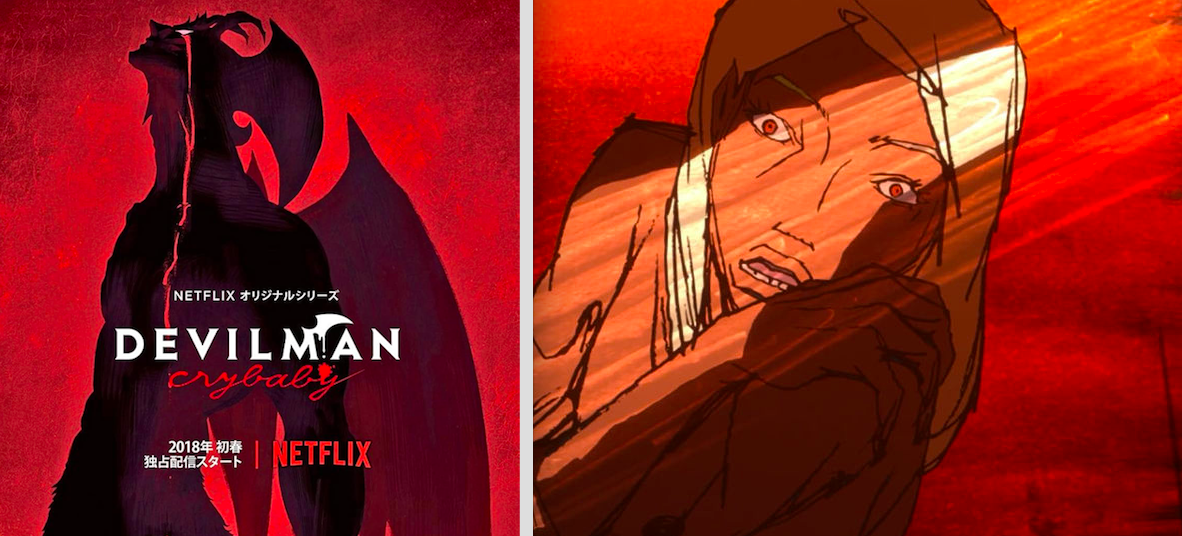
When people talk about Masaaki Yuasa‘s greatest works, several titles usually come up; Mind Game, Tatami Galaxy, Ping Pong, Night is Short Walk on Girl, and Devilman Crybaby get a lot of love. However, there is one work that’s as experimental as Mind Game and in the same genre as Devilman Crybaby.

Kemonozume, also known as Beast Claw is an anime series written and directed by Masaaki Yuasa, and animated by Studio Madhouse. The series takes place in a world overrun with shape-shifting monsters known as Flesh Eaters and the protagonist comes from a long line of monster hunters. The plot thickens when the young monster hunter falls for a mysterious woman who is in fact a Flesh Eater herself!
Star-crossed, supernatural romance and monster slaying is hardly new territory for anime or pop-culture at large. However, Yuasa’s signature vision and playful writing take the well-worn premise into exciting new territory.
I would describe Kemonozume as the polar opposite of Demon Slayer. Demon Slayer elevates its simple premise by delivering astounding visuals, jaw-dropping fights, and fashionable character designs. Conversely, the art and storytelling in Kemonozume is experimental to the point where it would be off-putting to a casual audience.

I can see why this series flew under the radar. The sketchy linework, hard R subject matter, and lack of polished fights would have been a dealbreaker for me 10 years ago. But now, after having my fill of flashy anime, I can appreciate what Kemonozume does so well.

The series acts like a playground for Yuasa to communicate archetypal ideas in surprising and creative ways. When the monster hunter falls in love with the young woman, he sees her face everywhere just like in Being John Malkovich. When another character experiences sexual arousal we cut to a flower blooming. The series plays with multiple art styles, narrative perspectives, and tonal genres. You never know what you are going to get in each episode.
Just because the series is experimental doesn’t mean it skimps on story. The adopted son to the monster hunting clan proposes that the clan use robot armor to aid in their hunt, angering the traditionalist patriarch. The genius of Kemonozume is that Yuasa uses anime tropes like monsters and robot armor to explore human themes like industrialization and family values.

Kemonozume is an avant garde anime series that’s long overdue for a reappraisal. The series is less about monster slaying and more like a relationship drama with an arthouse overlay that occasionally has anime genre conventions show up. Those who loved Devilman Crybaby will have a blast with Kemonozume!
