
Once Upon A Painful Time — Reviewing ‘Batgirl’ #7
by Scott Redmond
Overview
Diving through history can be quite fun, especially when it’s centered around our favorite comic book characters. This series continues to be truly great both as a comic but also as a showcase for how amazing Cassandra Cain can be. Easily stands beside the plethora of strong series that DC Comics is putting out.
Overall
9.5/10Everyone has a story. Each is a truly unique snowflake shimmering with emotions which wildly range from hopeful to traumatic.
Some of these stories are known far and wide. Others lie somewhere in the middle. The rest are kept close to the chest, hidden amongst the shadows. This is where the true origins of Lady Shiva have remained.
Until now.

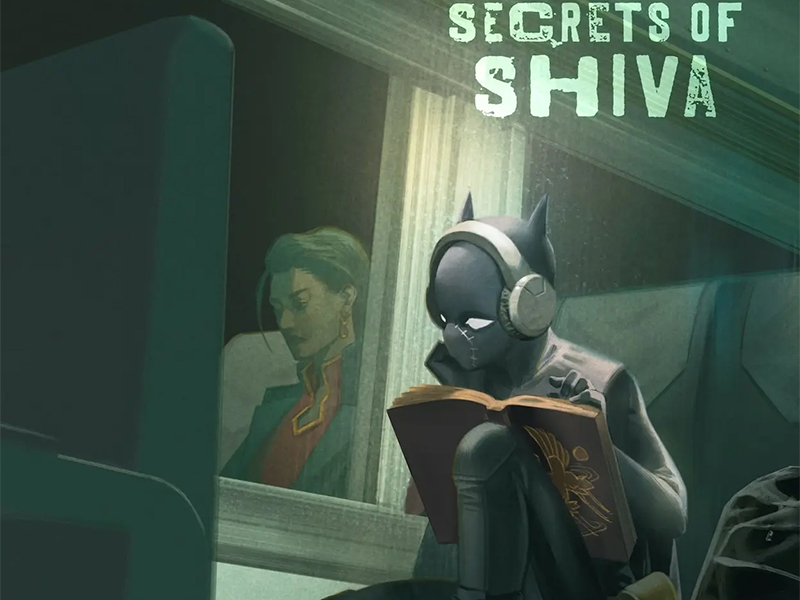
A whole new arc begins as Tate Brombal, Isaac Goodhart, Mike Spicer, and Tom Napolitano crack open the book that is Shiva with Batgirl #7.
Publishing comic book stories from a certain universe for over eight decades means the need for a lot of characters. Some of them are big, known and beloved around the world. Others are so small and minor only the most entrenched fans can utter their names beyond a Wiki somewhere. The rest fall somewhere in the middle.
Lady Shiva is one of those characters. She’s mostly a foil to Batman and others before becoming the mother, and foil, to Cassandra Cain partway through the character’s first series in the 2000s. Standing in those spaces meant that her origins and background were not oft visited. Usually not much time is given to refresh such things when a character is meant to fill the antagonist role.

Many pieces were established in the Post-Crisis era of DC Comics. Giving Brombal the building blocks which to really delve deep into the history of this character. These are the spaces where retcons and reexaminations really can shine in comics. Because they are taking something less known and expanding it in order to give the character even more depth.
Having Shiva narrate her own story, through a tape-recording caption, was a great choice. It allows the character to still have some control over her life even though she is out of the picture, potentially dead (no body means question mark).
Artistic shifts can bring quite a bit of difference to a series. Depending on the particular type of story, the tastes of the audience, and more, the change can be received in many different ways. Sometimes, though, the change is an easy one.

There are notable differences between the work of Goodhart and what Takeshi Miyazawa delivered in the first six issues. Yet, they also share so much in common it’s clear why the artists were tapped in this same series run.
Goodhart marries the rougher sharper angles needed for this character and her tale with the softer whimsical beats of heroic comics. Everything flows so easily with the quieter and action sequences existing peacefully. There is plenty of tangible depth on every panel and the overall choices for placement don’t miss.
Helping with the continuous sort of appearance with the artwork is Spicer’s presence on colors. There is a lot of the same darker and shadowy tonal choices on display again. Many of the more vibrant colors though feel brighter and bigger, shifting to mesh more with the new art style. Still, they bring plenty of weight to everything to help expand the dense feeling of the story.

Also still doing what they do best is Napolitano, who delivers the dialogue, captions, and other lettering with style. Even though both mother and daughter are often hard to read, the emotional impact of their words is always clear through the way it’s put on display but also through the wide variety of modifications pulled out. These range from shifting font styles and sizes to how balloons and boxes are handled.
Batgirl #7 is now available from DC Comics.
